






Are You Over-Breathing?

I am currently rereading James Nestor's "Breath: The New Science of a Lost Art," and it's packed with incredible information that delivers a profound message: how we breathe is just as important, if not more important, than what we eat, how much we exercise, or how well we sleep. Breath efficiency and quality are a fundamental, often overlooked, pillar of both physical and mental health.
Nestor reports that over 90% of people exhibit dysfunctional breathing patterns. He attributes this modern decline to centuries of lifestyle changes, including softer diets altering facial and airway development, increased sedentary habits, poor posture, and a general lack of breathing awareness.
While we typically view breathing as an automatic process, neglecting its mechanics in modern life can deprive our bodies and minds of the oxygen necessary for all functions. The quality of each inhale and exhale profoundly impacts our well-being.

 In our fast-paced modern world that is full of artificial lighting, limited daylight exposure and blue light from devices, maintaining healthy sleep can be challenging. It's easy to lose touch with the natural rhythms that govern our bodies. Consider how we've evolved as a species, it was not that long ago that as the sun went down, humans would cook by the light of fire and read in candlelight. This shift from daylight to low amber light signaled the brain to produce melatonin and to get ready for sleep. Today, it's common in our homes that we have bright overhead lights, blue lights from televisions and phone screens (often displaying stimulating or stress-inducing content) that disrupt our evening wind down routine and impact our readiness for sleep.
 Every January, millions of people set ambitious New Year's resolutions: lose weight, move more, eat healthier, stress less. Yet by late January or early February, many of these well intended health goals have fallen to the wayside.
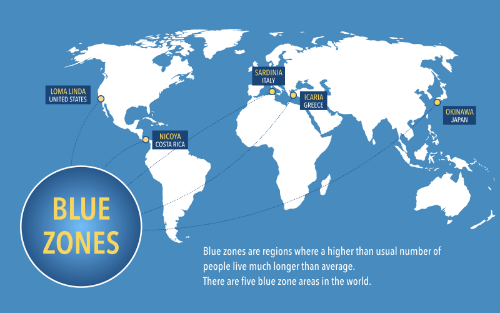
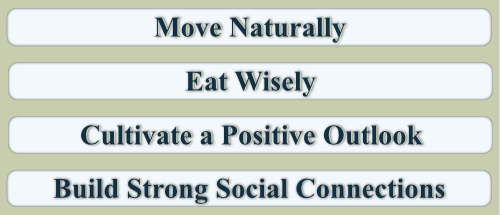
  The Blue Zones, regions with the highest concentration of centenarians, offer valuable insights into the secrets of longevity. One of their core pillars, Build Strong Social Connections, underscores the profound impact of human connection on our well-being.